
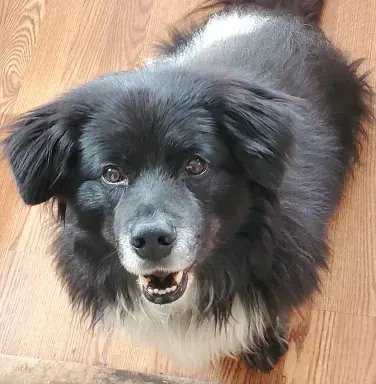
Here's the part that catches people off guard. Hip dysplasia is one of the most common expensive conditions in dogs, and yes, pet insurance covers it. But there's a catch buried in the fine print that has cost plenty of dog owners thousands of dollars, and almost nobody finds out about it until it's too late. We'll get to that catch. First, the straight answer.
Yes, pet insurance covers hip dysplasia including diagnosis, surgery, medication, and rehab, as long as it isn't a pre-existing condition and the symptoms didn't show up before your policy started or during the waiting period. The catch? Many insurers tack on a special waiting period of 6 to 12 months just for hip dysplasia.
What Hip Dysplasia Actually Is
Think of a healthy hip joint like a ball sitting snugly in a socket. Smooth. Stable. In a dog with hip dysplasia, that ball and socket don't fit together right. They grind. They rub. And over time the joint wears down, gets inflamed, and turns into arthritis.
It's mostly genetic. Large and giant breeds get it most, but it shows up in smaller dogs too. Some dogs limp early in life. Others seem fine for years, then slow down in middle age and you chalk it up to getting older, when really the hips have been quietly deteriorating the whole time.
And it's not cheap to fix. That's the whole reason this question gets asked so often.
What Pet Insurance Covers for Hip Dysplasia
A standard accident and illness plan covers the full treatment journey for hip dysplasia, assuming it's not pre-existing. So that includes the diagnostic work, the surgery, the meds, and the recovery. Here's the breakdown.
| Covered Under Most Plans | Usually NOT Covered |
|---|---|
| X-rays and diagnostic imaging | Pre-existing hip dysplasia |
| Surgery (all types) | Routine wellness exams |
| Anesthesia and hospitalization | Preventive joint supplements |
| Pain medication and anti-inflammatories | Exam fees (on some plans) |
| Physical therapy and rehab | Conditions during waiting period |
| Follow-up visits and rechecks | Breeding-related screening |
So the expensive stuff, the surgery and the imaging and the rehab, that's all in. Which matters a lot, because as you'll see in a minute, those bills get steep fast.
Worth knowing: Some plans cover prescription joint supplements and prescription food when they're prescribed as part of treating a diagnosed condition. Trupanion is one that does. If your dog ends up on long-term joint support after a diagnosis, that ongoing cost being covered adds up over the years. Here's the full list of what pet insurance won't cover so you know where the lines are.
The Waiting Period Catch That Costs People Thousands
Okay. Here's that catch we mentioned up top.
Most pet insurance has a standard waiting period of about 14 to 15 days for illnesses. Short. Reasonable. But hip dysplasia and other orthopedic conditions often get a separate, much longer waiting period. We're talking 6 months. Sometimes a full 12 months.
Why does this matter so much? Because if your dog shows any sign of hip trouble during that window, even a slight limp your vet notes down, the insurer can classify it as pre-existing and deny every future hip claim. Forever. For that dog.
So the person who waits until their dog starts limping to buy insurance? Too late. The hips are already a problem, and now they're a permanent exclusion. This is the single most expensive mistake people make with orthopedic coverage.
The fix is simple but time-sensitive: enroll while your dog is young and showing zero hip symptoms. Some insurers will waive or shorten the orthopedic waiting period if you get a vet to examine the hips at enrollment and confirm they're healthy. If you have an at-risk breed, ask specifically about this. It can save you a five-figure bill down the road.
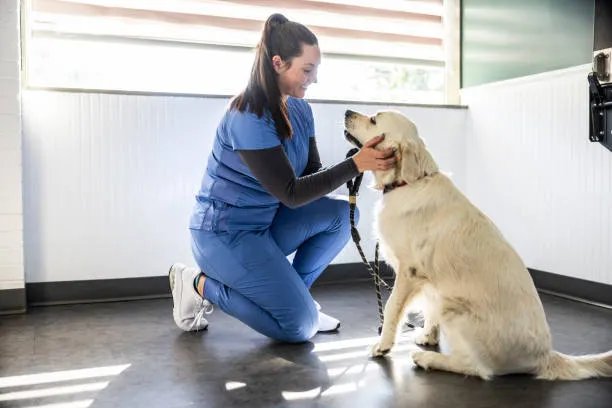
What Hip Dysplasia Surgery Actually Costs
This is where it gets real. Hip dysplasia surgery isn't one procedure, it's several, and the price swings a lot depending on which one your dog needs.
| Procedure | Cost Per Hip | When It's Used |
|---|---|---|
| Total Hip Replacement (THR) | $3,500 - $7,000 | Severe cases, best long-term result |
| Femoral Head Ostectomy (FHO) | $1,200 - $2,500 | Smaller dogs, pain relief focus |
| Juvenile Pubic Symphysiodesis (JPS) | $1,000 - $3,000 | Puppies under 5 months |
| Double/Triple Pelvic Osteotomy | $2,000 - $4,000 | Young dogs, before arthritis sets in |
And remember, dogs have two hips. Plenty of cases need both done. A total hip replacement on both sides can run north of $14,000 once you add in the imaging, the anesthesia, the hospital stay, and the rehab afterward.
Now picture that bill with no insurance. Versus that same bill where your plan reimburses 80% or 90% after a deductible. That gap, often more than $10,000, is the entire reason people insure at-risk breeds early. We ran the full worth-it math here if you want to see how it pencils out.
The Breeds Most at Risk
Hip dysplasia can show up in any dog, but some breeds draw the short straw far more often. If your dog is on this list, insuring early isn't optional, it's the smart financial move.
- German Shepherds have one of the highest hip dysplasia rates of any breed, alongside elbow dysplasia and degenerative myelopathy.
- Labrador Retrievers are prone to both hip and elbow dysplasia, made worse by the breed's tendency toward weight gain.
- Golden Retrievers face elevated hip dysplasia risk on top of their well-known cancer risk.
- Rottweilers, Bernese Mountain Dogs, Great Danes, and Saint Bernards all carry high orthopedic risk thanks to their size and build.
Bigger dogs, bigger joints, bigger bills. The pattern is pretty consistent.
Best Pet Insurance Plans for Hip Dysplasia
Two things matter most when you're insuring against hip dysplasia: no annual cap, and a sane waiting period. Here's how the top providers stack up.
Healthy Paws covers hip dysplasia with unlimited lifetime benefits and no annual cap, which is exactly what you want when bills can top $14,000. Just enroll early, since they apply a 12-month waiting period for hip dysplasia.
Trupanion is arguably the best fit here. Their per-condition deductible means you pay once for hip dysplasia, then it's covered at 90% for life. For a condition that often needs years of ongoing treatment, that structure saves serious money.
Lemonade and Pets Best both cover hip dysplasia too, usually at lower monthly cost, but watch the annual caps. For a high-risk breed, a capped plan can fall short in a bad year. See how all the providers compare here.
What to Do Right Now
If you've got a puppy or a young dog of an at-risk breed, this is the move. Enroll now, while the hips are healthy and there's nothing on the medical record. That single decision is what makes hip dysplasia coverage actually work when you need it.
If your dog already has hip issues noted by a vet, insurance won't cover those existing problems. But it's still worth insuring for everything else that could come up, and there's plenty. Cancer, other injuries, unrelated illnesses. None of that is pre-existing just because the hips are.
And if you're somewhere in between, just not sure, run the numbers for your specific dog. That's what the calculator is for.
See what hip dysplasia coverage costs for your breed
Get a free personalized estimate by breed, age, and location in 30 seconds. No email, no sign-up.
Try the Free Calculator →