No dog is 100% allergen-free - the term "hypoallergenic" means significantly lower allergen production, not zero. The primary culprit isn't actually dog hair: it's a protein called Can f 1 found in dog saliva, urine, and skin cells (dander). Breeds that shed less spread less dander around your home, which is why low-shedding dogs cause fewer reactions for most allergy sufferers.
Important: If you have dog allergies, spend time with the specific dog you're considering before committing. Individual dogs within the same breed can vary significantly in how much dander they produce. Most allergists recommend a "test visit" period before adoption.
The Top 10 Hypoallergenic Dog Breeds
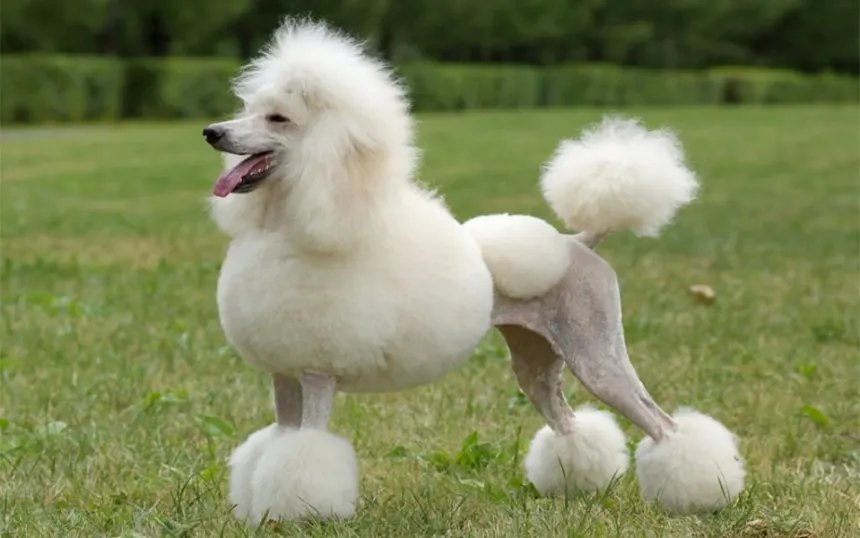
#1 Hypoallergenic Breed
Poodle
The gold standard of hypoallergenic dogs
The Poodle tops every hypoallergenic list for good reason. Their dense, curly coat traps shed hair and dander close to the skin rather than releasing it into the air, making them the most consistently allergy-friendly breed available. Available in Standard, Miniature, and Toy sizes, there's a Poodle for every living situation. They're also one of the smartest breeds on earth - a genuinely perfect combination of form and function for allergy sufferers.
Minimal sheddingHigh intelligenceAll 3 sizes availableNeeds regular grooming
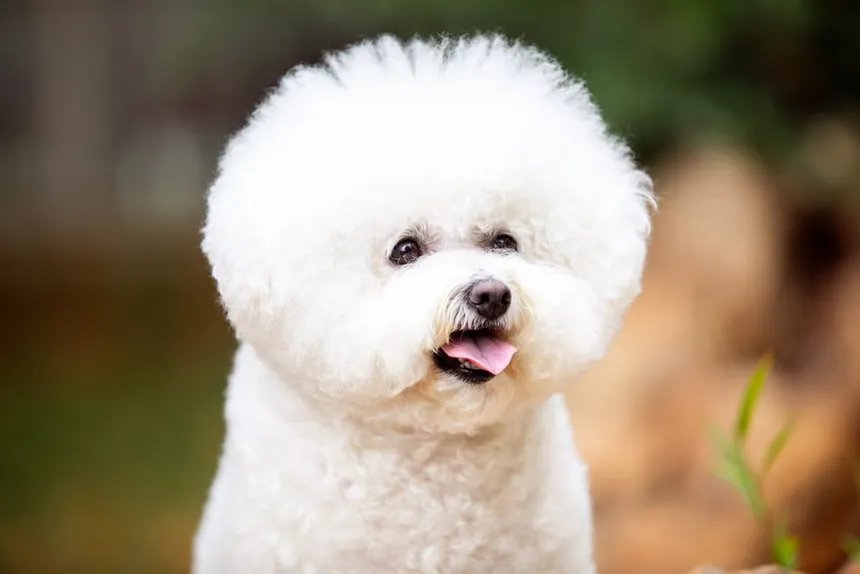
#2 Hypoallergenic Breed
Bichon Frise
A cloud of fluff that barely sheds
The Bichon Frise has a soft, velvety double coat that sheds minimally and produces very little dander. Their hair grows continuously (like human hair) rather than cycling through a shedding phase, which is the key to their hypoallergenic reputation. They're cheerful, adaptable, and genuinely love people - making them excellent apartment dogs and family companions alike.
Very low danderCheerful temperamentExcellent for apartmentsLoves people of all ages

#3 Hypoallergenic Breed
Maltese
Ancient, elegant, and allergy-friendly
The Maltese has been a companion dog for over 2,000 years and their long, silky white coat is one of the most famous in dogdom. Despite the dramatic hair, they shed almost nothing - their single-layer coat doesn't have the dense undercoat that most shedding breeds use to regulate temperature. Maltese are fearless for their size, deeply loyal, and remarkably long-lived, often reaching 15 years.
Single-layer non-shedding coat2,000+ years of historyLives 15+ yearsFearlessly loyal
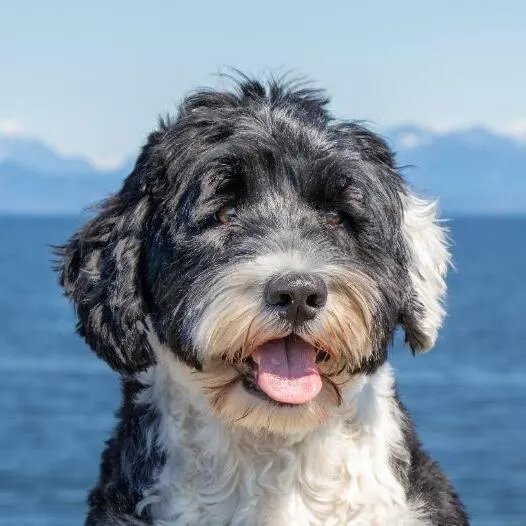
#4 Hypoallergenic Breed
Portuguese Water Dog
The athlete of hypoallergenic breeds
Portuguese Water Dogs have a wavy or curly waterproof coat that sheds minimally and is considered one of the best options for people with moderate to severe dog allergies. Originally bred to herd fish, retrieve nets, and deliver messages between boats, they are athletic, highly intelligent, and need serious exercise. Famous for being the Obama family's White House dogs, they've earned a wider audience since.
Waterproof low-shed coatHighly athletic & intelligentExcellent swimmerNeeds significant exercise
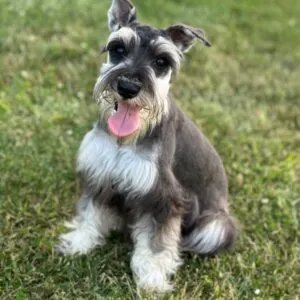
#5 Hypoallergenic Breed
Miniature Schnauzer
Feisty, loyal, and surprisingly allergy-friendly
The Miniature Schnauzer's wiry double coat sheds very little and is considered hypoallergenic by most allergy specialists. They're one of the most popular small breeds in the US for good reason - bold, playful, deeply loyal to their families, and adaptable to both apartment and house living. Their distinctive beard and eyebrows give them one of the most expressive faces in all of dogdom.
Wiry low-shed coatBold & loyal personalityGreat watchdogAdapts to any home size
#6 Hypoallergenic Breed
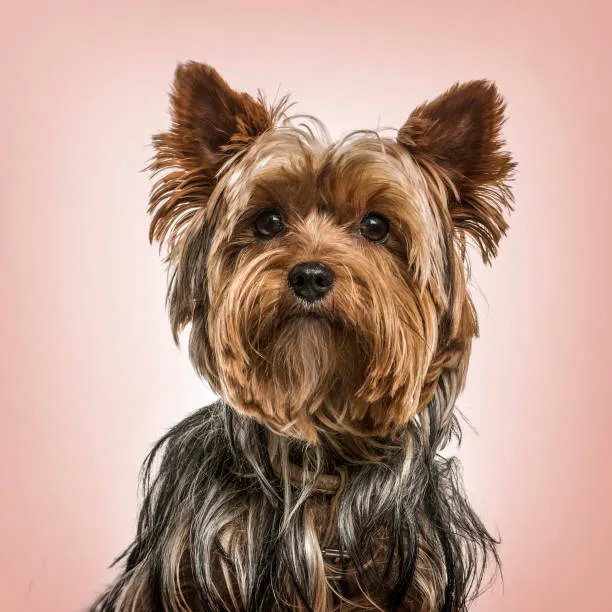
Yorkshire Terrier
Big attitude, tiny shedding
Yorkies have a fine, silky coat that closely resembles human hair in texture and growth pattern - which is exactly why they shed so little. They produce less dander than most breeds and are consistently recommended for mild to moderate allergy sufferers. Don't let their glamorous appearance fool you - Yorkies are scrappy, confident, and were originally bred as working ratters in Yorkshire mills.
Hair-like coat sheds minimallyConfident & spiritedOriginally working rattersExcellent city dog

#7 Hypoallergenic Breed
Shih Tzu
The imperial lap dog that won't trigger your allergies
Bred exclusively for centuries as a companion to Chinese royalty, the Shih Tzu's long flowing coat is a single-layer silk that sheds minimally. Their low dander production makes them one of the most consistently recommended breeds for allergy sufferers who want a small, affectionate companion. They are famously gentle, patient, and happy in virtually any living situation from studio apartments to large homes.
Royal companion breedMinimal danderGentle with everyonePerfect for any home size

#8 Hypoallergenic Breed
Basenji
The barkless dog that barely sheds
The Basenji is one of the most unique dogs on this list - an ancient African hunting breed that doesn't bark (they yodel instead), has almost no dog odor, and sheds minimally due to their extremely short, fine coat. They groom themselves like cats, are fastidiously clean, and produce very little dander. They're independent, curious, and athletic - a genuinely unusual and captivating companion.
Virtually no dog odorSelf-grooming like a catYodels instead of barkingOne of the oldest breeds
#9 Hypoallergenic Breed
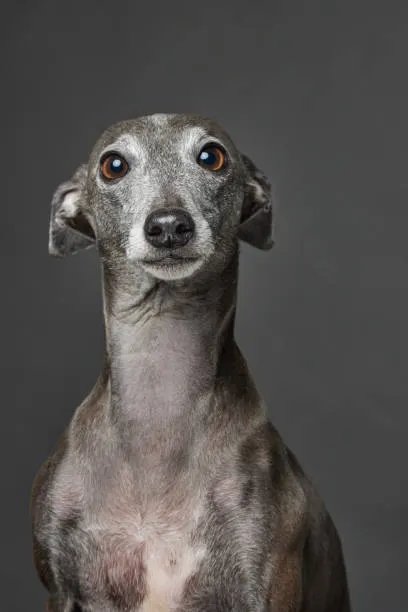
Italian Greyhound
Sleek, sensitive, and barely sheds a hair
The Italian Greyhound's ultra-short, single-layer coat produces almost no shed hair and very little dander, making them one of the best options for serious allergy sufferers who want a larger-feeling dog in a small package. They are delicate, deeply affectionate with their families, and genuinely elegant. They crave warmth and closeness - expect them to be under a blanket with you within their first day home.
Minimal coat, minimal sheddingUltra affectionateLoves warmth & cuddlesSurprisingly athletic

#10 Hypoallergenic Breed
Soft Coated Wheaten Terrier
The low-shed terrier with a gentle soul
The Wheaten's single-layer soft, silky coat sheds minimally compared to double-coated breeds and produces less dander than most terriers. They're one of the few terriers described as genuinely gentle - playful and energetic without the intensity of most terrier breeds. Their signature 'Wheaten greeting' (an enthusiastic full-body welcome for anyone who walks through the door) has earned them devoted fans worldwide.
Single silky coatGentler than most terriersFamous enthusiastic greetingGreat family dog
What Actually Makes a Dog Hypoallergenic?
The common belief is that people are allergic to dog hair - but that's not quite right. The actual allergen is a protein in dog saliva and dead skin cells. When dogs shed, they spread dander-coated hairs throughout your home and into the air. Breeds with continuously growing single-layer coats shed far less than double-coated breeds, dramatically reducing airborne allergen levels.
The other factor is individual variation. Two Poodles from the same litter can produce different amounts of Can f 1. This is why allergy specialists always recommend a trial period before fully committing to any dog, even a hypoallergenic breed.
Essential Tools for Hypoallergenic Dog Owners
As an Amazon Associate, PawPrice earns from qualifying purchases.
Grooming Matters as Much as Breed Choice
A Poodle that hasn't been groomed in months will spread more allergens than a well-groomed Labrador. Regular brushing, bathing (every 2–4 weeks), and professional grooming every 6–8 weeks keeps allergen levels low regardless of which hypoallergenic breed you choose. Many allergy sufferers find that consistent grooming makes more difference than breed selection alone.
Also worth knowing: Many hypoallergenic breeds have specific health profiles that affect insurance costs. Schnauzers are prone to pancreatitis, Yorkshire Terriers to dental disease, and Shih Tzus to respiratory issues. If you're getting a hypoallergenic breed, it's worth checking what pet insurance would cost before you bring them home. Use our free calculator to see your breed's estimate →
Check your hypoallergenic breed's insurance cost
Different breeds have very different health risk profiles - and insurance costs to match. Get your personalized estimate free in 30 seconds.
Try the Free Calculator →
