

It's one of the most searched questions by dog owners - and one of the hardest to think about. How long does my dog have? The honest answer depends heavily on breed and size, but also on factors within your control. This guide covers the averages, the outliers, the science behind the size difference, and the evidence-based steps that genuinely extend healthy years.
Why Small Dogs Live Longer Than Large Dogs
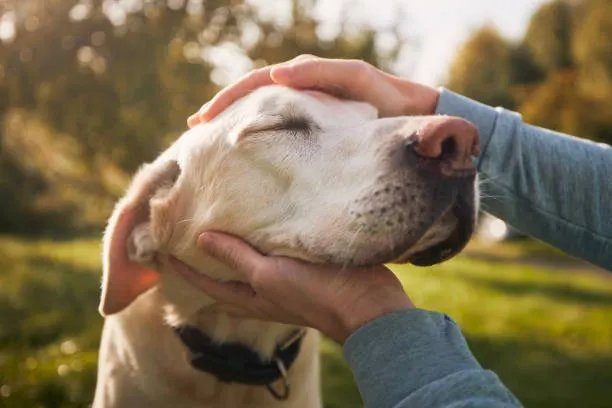
The relationship between body size and lifespan in dogs is one of the most intriguing and well-documented patterns in biology - and it's the opposite of what you see in most other animals. In the wild, larger species tend to live longer. Elephants outlive mice. Whales outlive dolphins. But in dogs, a Chihuahua almost always outlives a Great Dane by years, sometimes a decade or more.
The leading explanation from current research is that large dogs age faster at the cellular level. Larger breeds grow faster, and that accelerated growth appears to trigger earlier cellular aging and higher rates of age-related diseases including cancer. A Great Dane's body at age 5 is physiologically equivalent to a much older small dog. They essentially burn through their biological clock faster.
The Longest-Lived Breeds
Small and toy breeds dominate the longevity rankings - and mixed breeds tend to outlive their purebred counterparts due to what geneticists call hybrid vigour.

| Breed | Average Lifespan | Notes |
|---|---|---|
| Chihuahua | 14–18 years | Regularly exceeds 15 years with good care |
| Toy Poodle | 14–18 years | One of the healthiest long-lived breeds |
| Dachshund | 12–16 years | IVDD risk doesn't significantly reduce longevity |
| Beagle | 12–15 years | Robust and generally healthy into old age |
| Shih Tzu | 13–16 years | Common to reach 14–15 years |
| Maltese | 12–15 years | Very long-lived toy breed |
| Pomeranian | 12–16 years | Sturdy despite small size |
| Australian Cattle Dog | 12–16 years | Oldest verified dog was this breed |
| Jack Russell Terrier | 13–16 years | Exceptionally robust working terrier |
| Mixed Breed (small) | 13–17 years | Hybrid vigour extends average lifespan |
The Shortest-Lived Breeds
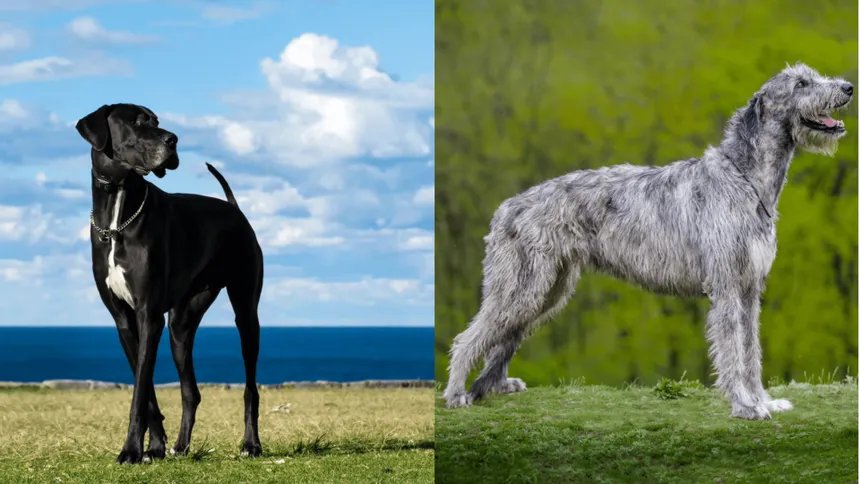
Giant breeds carry the heaviest longevity cost. This doesn't make them bad choices - but it means the years you do have together are precious, and health monitoring matters more than ever.
| Breed | Average Lifespan | Main Health Concerns |
|---|---|---|
| Irish Wolfhound | 6–8 years | Heart disease, cancer |
| Great Dane | 6–8 years | Bloat/GDV, heart conditions, cancer |
| Bernese Mountain Dog | 6–9 years | Cancer (very high rates), joint disease |
| Bullmastiff | 7–9 years | Cancer, joint issues |
| Rottweiler | 8–10 years | Cancer, osteosarcoma, joint disease |
| Saint Bernard | 8–10 years | Hip dysplasia, heart conditions |
| French Bulldog | 10–12 years | BOAS, spinal conditions |
| English Bulldog | 8–12 years | Respiratory, cardiac, joint issues |
The Age Contrast - Young and Old Together
The Husky - A Case Study in Medium-Breed Longevity
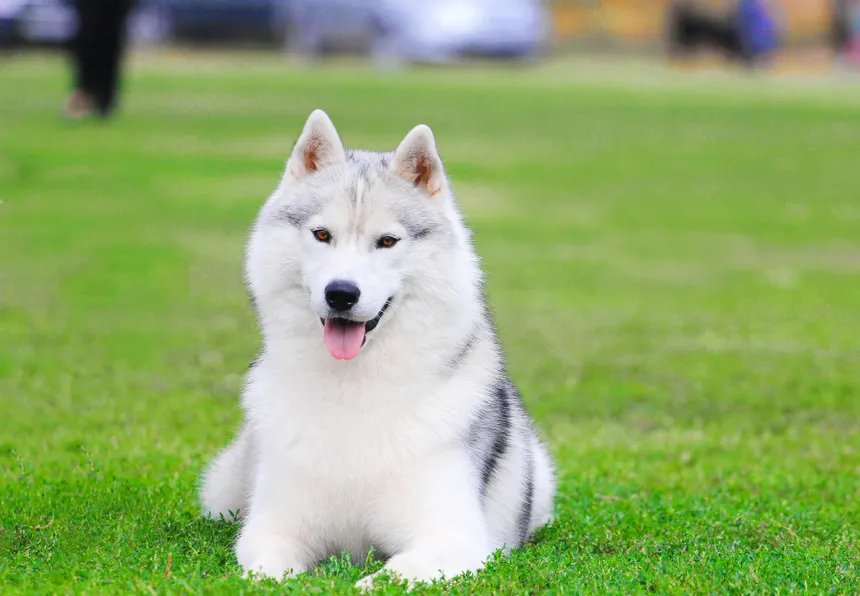
The Siberian Husky is a fascinating example of a medium-to-large breed that consistently outperforms its size-class life expectancy. Originally bred for extreme endurance work in Arctic conditions, Huskies are genetically robust dogs with relatively low rates of the hereditary conditions that shorten other breeds' lives. A well-exercised, properly fed Husky regularly reaches 13–15 years.
Evidence-Based Ways to Help Your Dog Live Longer
Genetics and breed set the ceiling, but how you care for your dog determines how close they get to it. These are the interventions with the strongest evidence base:
- Maintain a healthy weight - Overweight dogs die an average of 2.5 years earlier than lean dogs in the same breed. This is the single highest-impact lifestyle factor within your control.
- Regular vet checkups from age 7+ - Many age-related conditions are treatable if caught early. Annual bloodwork for senior dogs is now considered standard of care by most veterinarians.
- Joint support supplements from middle age - Particularly for large breeds, starting joint supplements (glucosamine, omega-3 fatty acids) at 4–5 years supports long-term mobility before problems develop.
- Dental care - Dental disease accelerates heart and kidney problems. Regular brushing and cleanings extend systemic health, not just oral health.
- Continued mental and physical activity - Mentally and physically active dogs maintain healthier brain and body function into old age. The "slowing down" of senior dogs is partly inevitable and partly reversible with the right exercise and enrichment.
- Spay/neuter at the right age - Timing matters by breed. For giant breeds, later neutering (after growth plates close) reduces joint disease risk significantly. Discuss timing with your vet.
When to Think About Pet Insurance in the Context of Lifespan
Knowing your breed's average lifespan changes how you should think about insurance. If you own a Great Dane or Bernese Mountain Dog, the concentrated window of 6–9 years means expensive conditions are likely to arrive sooner than you expect. Enrolling early - before age 2 - is especially important for short-lived breeds where every healthy year matters for establishing a clean medical record.
For long-lived breeds like Chihuahuas and Toy Poodles, the calculus is different: you're protecting against a longer window of potential issues, and premiums are lower. The economic case for insurance across a 15–17 year lifespan is also very strong even at modest claim rates.
See what protecting your dog's years would cost
Pet insurance premiums vary significantly by breed and age. Get a personalized estimate for your dog in 30 seconds - free.
Try the Free Calculator →