
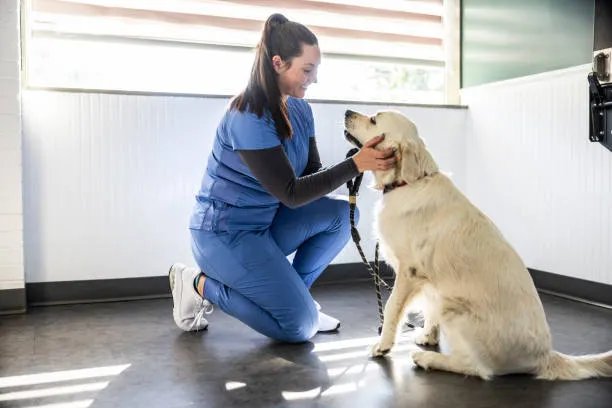
You got pet insurance so you'd be covered when something went wrong. Now something has gone wrong - and you need to actually use it. The claims process is simpler than most people expect, but there are specific steps that make the difference between a smooth reimbursement and a frustrating denial. Here's exactly what to do, in order.
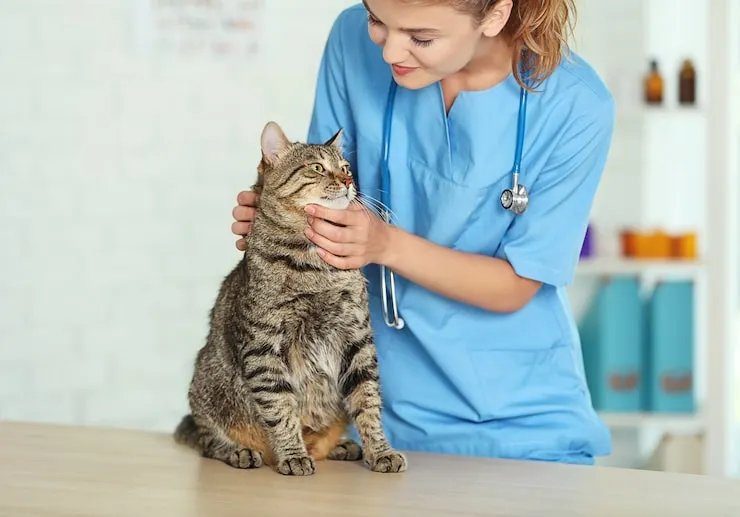
The golden rule of pet insurance claims: Always pay the vet first, then claim. Unlike human health insurance, pet insurance almost always works on a reimbursement model - you pay the bill, submit the claim, and get paid back. Trupanion is the main exception, paying vets directly at checkout at participating practices.
The Step-by-Step Claims Process
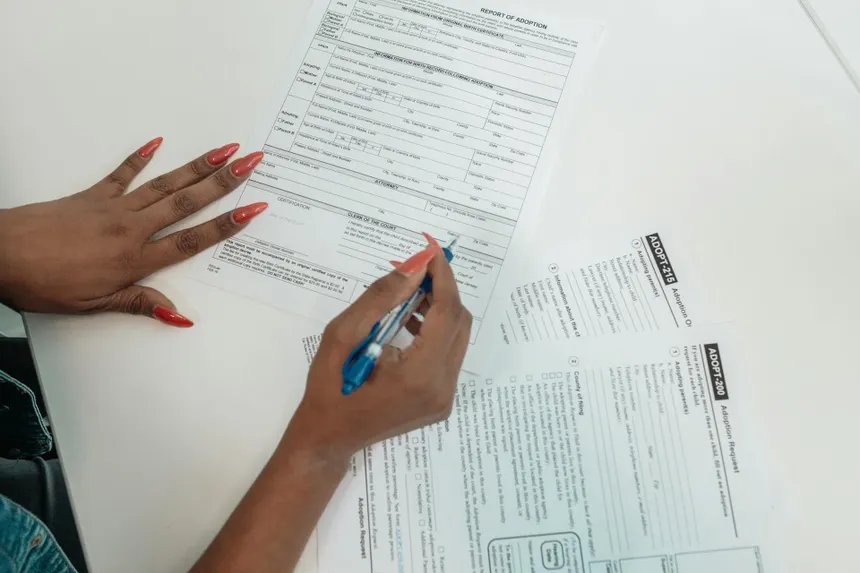
Claim Processing Times by Provider
| Provider | Typical Processing Time | Submission Method |
|---|---|---|
| Lemonade | Minutes (AI) to 1–3 days | App only |
| Healthy Paws | 2–4 business days | App or email |
| Trupanion | At vet checkout (direct) | Vet pays directly |
| Embrace | 5–10 business days | App, online, or mail |
| Pets Best | 5–7 business days | App or online portal |
| ASPCA | 5–10 business days | Online or mail |
Why Claims Get Denied - And How to Avoid It
The majority of claim denials fall into four categories. Understanding them in advance is the best way to avoid them:
1. Pre-existing condition exclusion
The most common denial reason. If the condition being claimed was present, symptomatic, or noted in records before your policy start date, it will be excluded. This is why enrolling before any symptoms appear is so critical. If you believe a denial is incorrect - for example, if your pet had a resolved curable condition that you believe qualifies for reconsideration under your policy's curable condition clause - appeal with documentation from your vet confirming resolution dates.
2. Waiting period claim
Most policies have waiting periods: typically 3–5 days for accidents, 14 days for illness, and up to 6 months for orthopedic conditions at some providers. A claim for a condition that arose during the waiting period will be denied. Always check your policy's waiting period start dates.
3. Missing or incomplete documentation
Non-itemised invoices, missing SOAP notes, or incomplete claim forms are the most fixable denial reason. If you're denied for missing documentation, request exactly what's needed, obtain it from your vet, and resubmit. This is not a final denial - it's an administrative issue.
4. Coverage exclusion in your specific plan
Dental illness, behavioural treatment, elective procedures, and wellness costs are excluded from standard accident and illness plans. Always review your specific policy's exclusions list before assuming something is covered.
How to Appeal a Denied Claim
Denials are not always final. A significant percentage of appeals are successful, especially when you:
- Request the specific reason for denial in writing
- Ask your vet to write a letter clarifying the timeline of the condition - specifically that symptoms were not present before your policy date
- Provide any additional medical records that support your timeline
- Submit a formal written appeal (not just a phone call) referencing the specific policy language you believe entitles you to coverage
- If the appeal is rejected, file a complaint with your state's Department of Insurance - this creates a formal regulatory record and often prompts a more thorough review
Keep everything in writing. Every conversation with your insurer about a claim should be followed up with an email confirming what was discussed. A paper trail is your best protection if a dispute escalates.
Don't Have Pet Insurance Yet?
The best time to get pet insurance is before you need to file a claim - when your pet is healthy and their medical record is clean. Everything noted in a vet record after your policy start date is eligible for future claims. Everything noted before it is not. The cleanest possible time to enroll is right now, before their next wellness visit.
See what coverage would cost for your pet
Free calculator - no email required. Personalized monthly estimate in 30 seconds based on your pet's breed, age, and location.
Try the Free Calculator →