
Dogs are constantly communicating with us. The problem is most of us are only fluent in about 30% of what they're saying. The rest - the tail positions, the ear angles, the subtle weight shifts, the whale eye - goes unread. Learning to understand your dog's body language doesn't just deepen your bond. It can prevent bites, reduce your dog's anxiety, and help you respond to what they actually need rather than what you assume they want.
Important context: Body language signals should always be read in combination - never in isolation. A tail held high means something very different if the body is loose and wiggly versus stiff and still. Look at the whole dog, not just one feature.
The Play Bow - The Clearest Signal in the Dictionary
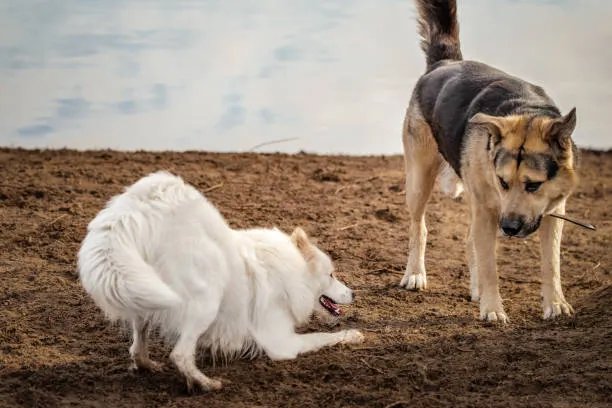
Happy and Relaxed - What Calm Confidence Looks Like
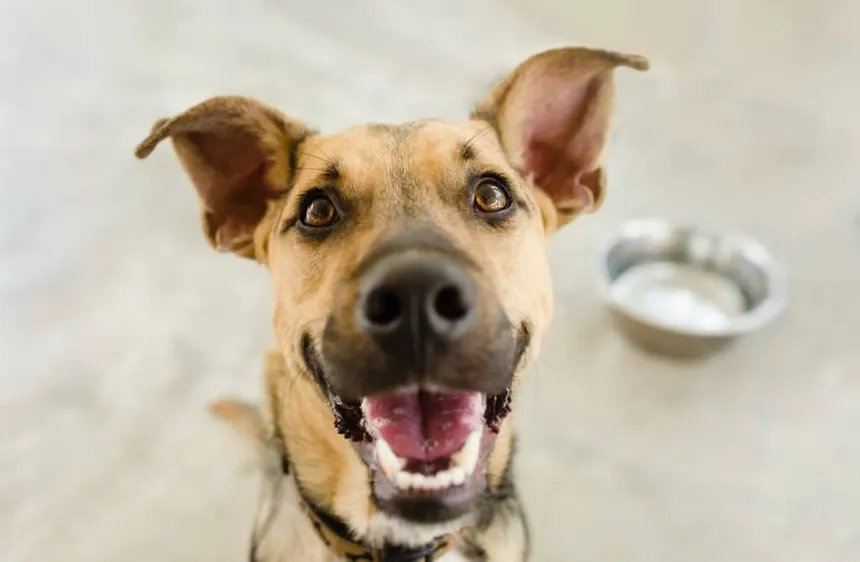
Anxiety and Stress - The Signals Most People Miss

The Most Commonly Misread Signals
The "Guilty Look" Is Not Guilt
One of the most persistent myths in dog behaviour is that dogs look guilty when they've done something wrong. Research by animal behaviourist Alexandra Horowitz found definitively that the guilty look - the lowered head, avoiding eyes, tucked tail - is actually a response to your body language and tone of voice, not to having done something wrong. Dogs who hadn't done anything wrong but whose owners were told they had showed the same "guilty" expression. Your dog isn't confessing. They're reading that you're upset and appeasing you.
A Wagging Tail Doesn't Always Mean Happy
Tail position and speed both matter. A high, stiff, fast wag can signal arousal or even aggression - not friendliness. A low, slow wag indicates anxiety or uncertainty. The loose, whole-body wag where the dog's rear swings side to side is the one that clearly signals friendliness and joy. Always look at the whole body alongside the tail.
Yawning, Lip Licking, and Sneezing
These are all calming signals - a vocabulary of self-soothing and de-escalation. A dog who yawns when you lean over them isn't tired. They're telling you they feel uncomfortable. A dog who licks their lips when meeting a new dog is asking for more space. Once you learn to spot these, you'll see them constantly - and be able to respond before a situation escalates.
A Quick Reference Guide
| Signal | What It Usually Means | What To Do |
|---|---|---|
| Play bow | Wants to play | Engage or redirect calmly |
| Loose wiggly body | Happy and relaxed | Enjoy it! |
| Stiff upright posture | Alert or tense | Monitor carefully |
| Hard eye contact, unblinking | Challenge or threat | Redirect, don't stare back |
| Soft blinking eye contact | Trust and affection | Blink back slowly |
| Ears pinned back flat | Fear or submission | Give space, speak softly |
| Ears forward and erect | Focused attention or alertness | See what they're watching |
| Tail tucked under body | Fear, pain, or extreme stress | Remove stressor immediately |
| Yawning out of context | Stress or discomfort | Give space or change situation |
| Lip licking (slow) | Anxiety or appeasement | Reduce pressure on the dog |
| Whale eye (whites visible) | Guarding resource or fearful | Back off, don't approach |
| Full body shake after interaction | Releasing tension, resetting | Normal - they're decompressing |
Why This Matters Beyond Just Knowing Your Dog
Understanding dog body language makes you a safer, more confident dog owner. Most dog bites happen because humans missed the warning signs that preceded them - the stiff body, the hard stare, the lip curl, the whale eye. These are not random eruptions. They are the final step in a long conversation the dog has been having that nobody was listening to. Learning the language means you can intervene early, give your dog what they need, and prevent situations from escalating entirely.
Speaking of protecting your dog…
Understanding your dog's health signals goes hand in hand with having coverage when something's wrong. See what pet insurance would cost for your specific breed.
Try the Free Calculator →